Let’s be real. Climate change isn’t just about melting ice caps and rising sea levels. It’s about power. History. And the way humans have been taught to see the world.
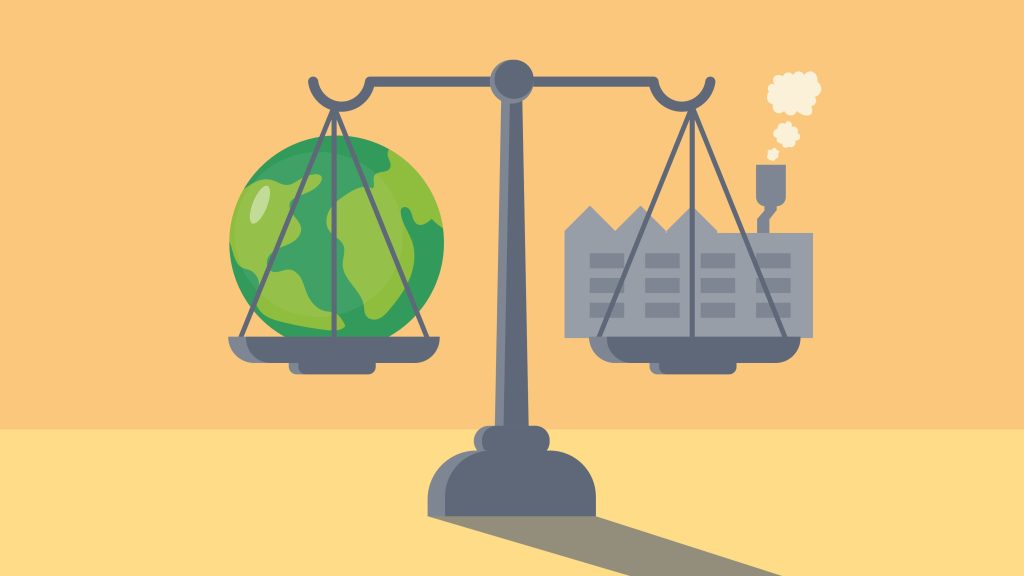
Big Polluters Are the Problem. But So Are We.
A tiny handful of corporations (we’re talking about 100 companies) are responsible for over 70% of global emissions. Wild, right? Meanwhile, billionaires like Elon Musk slap a green label on their businesses and tell us they’re saving the planet.
(Spoiler: They’re not.)
Tesla? Built on exploited labor, resource-heavy mining, and taxpayer-funded subsidies. “Green capitalism” is still capitalism. And capitalism’s entire business model? Extraction, consumption, profit.
BUT. That doesn’t mean individual actions don’t matter. They do. Just not in the way we’ve been told.
We’ve Been Sold a Lie About “Personal Responsibility”
Ever heard the phrase “carbon footprint”? Yeah, BP literally made that up in the early 2000s. A marketing trick. The goal? Make you feel like the problem so they don’t have to change.
Here’s the truth:
- You didn’t deforest the Amazon.
- You didn’t build a world where oil companies write climate policy.
- You aren’t the reason billionaires fly private jets to climate summits.
But. (And it’s a big but.)
That doesn’t mean we get to throw our hands up and say, “Welp, guess nothing I do matters.” Because…
How we live, what we demand, and what we’re willing to fight for; all of that shapes the system too.
The Real Fight? Rewriting the Rules.
The climate crisis isn’t just about emissions. It’s about how we relate to the world.
For centuries, Indigenous cultures have understood something capitalism erased: we’re not separate from nature. But industrialization, colonization, and corporate greed? They built an entire global economy on the idea that land, water, and even people are just resources to be used up.
Now? We’re drowning in the consequences.
So, what do we do?
- Call out the real villains. Corporations. Oil executives. Governments that protect profit over people.
- Change what we can. Recognizing that the system pushes overconsumption, but still making choices that align with a sustainable future. Eat local. Use less. Rethink what “success” looks like.
- Supporting policies that hold corporations accountable.
- Fight for systemic change. Fighting for a world where people have real options —like reliable public transit, clean energy, and local food systems—so that sustainability isn’t just a privilege for the wealthy
- Stop acting like we’re powerless. We’re not. But we’ve been trained to believe we are.
At the end of the day? This fight is about power. And the more we recognize that, the better chance we have of winning.